How to Report an Art Insurance Claim in 2026: Timely Tips + Smartphone Damage Guide

3 quick ways to capture fine art damage with smartphone for insurance claim documentation 2026
Document everything immediately for your insurance claim. Keep all photos, videos, and notes until your adjuster approves disposal.

If your property has been damaged, follow these essential steps right away:

  1. Take whatever steps are necessary to prevent further damage and keep receipts for any expenses. Search Google Maps for “Fire and Water Damage Restoration near me” to connect instantly with qualified local contractors.

  2. Make a detailed list of all damaged property and document everything with clear photos and videos using your smartphone.

  3. Do not throw away any damaged property until an insurance adjuster tells you it is all right to do so.

  4. If the claim involves another party, do not admit liability or reveal your limits of insurance coverage.

Most of the insurance companies we represent have 24-hour claim service, and you can report your claim directly to them. (They will contact us automatically.) 

For help understanding why art has multiple values (insurance, appraisal, and auction/market), see our guide Why Art Has Multiple Values: Expert Commentary on Appraisals, Auctions, and Insurance.

Timely reporting of claims is a must!

Please remember that when you buy an insurance policy, the agreement with the insurer is that you will let the insurer know whenever you are aware of a situation that might give rise to a claim. Time — and timely notification — is critical, if the insurer is to keep its own part of the agreement…to make you whole for any covered loss you might have. Often, particularly with liability claims where a legal defense is required, the insurer is required to begin gathering information right away. If the insurer is not put on notice until the later stages, an effective legal defense might be impossible, and the carrier might exercise its right to deny the claim on the basis that the policyholder did not provide timely notification. State laws vary, but in general, they support the insurers in their denial of such claims.

Do not wait to see if a problem will “blow over.” As soon as you are aware of circumstances that might give rise to a claim, please review your policy language regarding covered claims and your reporting responsibility. At your request, Bernard Fleischer & Sons, Inc will assist you in dealing with the insurance company in an effort to assure that the claim is properly evaluated and you are treated fairly.

Require help reporting a claim right now?

Call our New York office today at 800.921.1008 or 212.566.1881 ext. 111.

Bernard Fleischer & Sons, Inc. | ArtInsuranceNow.com

How to Evaluate Your Own Work as an Artist: A Guide to Art Valuation for Insurance (Updated 2026)

Since launching ArtInsuranceNow.com more than a decade ago, I’ve had thousands of conversations with artists about one deceptively simple question: “How does an insurance company actually evaluate my art?”

The answer matters more than ever in 2026. With art fairs, online marketplaces, and international exhibitions booming, proper fine art insurance valuation can mean the difference between full recovery after a loss and a disappointing settlement.

The Straightforward Formula Most Policies Use

For artists with a sales track record, the calculation is refreshingly simple:

Retail sales price minus 30% (typical gallery/dealer commission).

This “net-to-artist” value becomes the insured amount on an agreed-value fine art policy. It’s clean, defensible, and widely accepted across the industry.

But What If You’re a New or Emerging Artist with No Sales History?

This is where the conversation gets interesting—and where many artists (and even some galleries) get stuck.

Whether you’re 25 or 65 and just stepping into your first group show, exhibition contracts still require you to declare a value. That number isn’t just for the gallery; it becomes the foundation for your studio, transit, exhibition, and worldwide coverage.

How to Price Your Own Work Realistically (So the Insurer Accepts It)

Everything has a value. Start with these fundamentals:

  • Cost of materials + framing
  • Hours spent creating (your hourly rate as a professional)
  • Education, workshops, and mentorship investment
  • Size, medium, and subject matter
  • Comparable sales of similar artists at the same career stage (easy to research on Saatchi Art, Etsy and Artfinder in 2026)
  • Market demand and exhibition history

Pro Tip from a 40-Year Insurance Veteran:
Use these factors as your guiding denominator and set a reasonable retail price. In my experience, most serious artists land within an acceptable range. The insurer rarely disputes it, and claims are paid quickly.

What Happens If You Over-Price?

The policy language is clear: it’s up to you to prove the value. If the insurance company’s internal review (or third-party appraiser) determines your declared value is inflated, they’ll adjust it downward. That’s why we always recommend starting conservative and documenting everything—photos, receipts, exhibition records, and market comps.

2026 Update: Smarter Valuations Through Technology

At ArtInsuranceNow.com we’re seeing how AI-powered market-analysis platforms and image-recognition tools are helping emerging artists identify accurate comparables faster than ever. While a professional appraisal is still the gold standard every 3–5 years, these digital aids make initial self-valuation far more credible and defensible for insurance purposes.

Our Custom Artist Insurance Program – Built for Serious Artists

We designed this program specifically for creators who treat their studio like the business it is. Coverage includes:

  • Exhibition
  • Transit
  • Studio
  • Storage
  • Worldwide protection
  • Materials and commissioned works-in-progress

Limits start at $100,000
Premiums start at $1,000

No one understands the unique risks artists face better than we do at Bernard Fleischer & Sons—because we’ve been specializing in fine art insurance for decades.

Ready to protect your life’s work the right way?

Visit artinsurancenow.com today for a fast, no-obligation quote. Or call our New York office today at 800.921.1008 or 212.566.1881 ext. 111. Our team makes the process simple, transparent, and built around your creative workflow.

Bottom line: Price your work based on the real merits of your talent, experience, and market position—keep ego in check, document everything, and sleep better knowing your art is properly protected.

Why Art Has Multiple Values: Appraisals, Auctions, and Insurance

By William G. Fleischer, CIC
Principal, ArtInsuranceNow.com | Bernard Fleisher & Sons, Inc.
New York, NY – February 20, 2026

In my 40+ years working in fine art insurance, one question comes up more than any other: “What is my artwork really worth?”

The honest answer is: it depends on why you’re asking.

Art isn’t a standardized commodity like a bushel of wheat or a barrel of oil — each painting, sculpture, or installation is completely unique. Yet it still trades in multiple marketplaces, and its value can change dramatically depending on whether you’re donating it, selling it at auction, settling an estate, or — most importantly — protecting it with insurance.

A sale price is simply what a willing buyer and willing seller agree on that day. But that number is only one of several legitimate valuations an artwork can carry.

Appraisals: One Object, Many Purposes

Appraisals are never one-size-fits-all. The same artwork can receive different appraised values depending on its intended use:

  • Charitable gift or tax deduction
  • Estate settlement or probate
  • Fair market value for divorce or partnership dissolution
  • Insurance scheduling

Each appraisal must be supported by current market data and comparable sales, but the purpose dictates the methodology. That’s why I always tell clients: make sure your appraiser understands exactly what the document will be used for.

Auction Estimates: A Strategy, Not a Valuation

Auction houses use a completely different playbook. They publish low estimates to attract consignors and generate excitement in the room (or online). The goal is to spark competitive bidding that pushes the final hammer price well above the estimate.

Those low numbers are marketing tools — not a reflection of what the piece is truly worth in the broader market. I’ve seen works with a $50,000 low estimate sell for $180,000 because two determined collectors wanted it. That final price becomes the new “market value”… until the next sale.

Insurance: The Only Value That Actually Protects You

This is where my world lives.

When we insure a work of art, the question is simple: “If this piece is lost, stolen, or destroyed tomorrow, how do you want to be made whole?”

We typically use one of two policy structures:

Agreed Value
We agree on a fixed amount upfront (backed by recent appraisals or market expertise). Everyone knows exactly what the payout will be. No surprises. This is the cleanest and most popular option for collectors and galleries.

Onus of Proof (or Actual Cash Value at time of loss)
You prove the value after the loss using purchase price, current market comparables, or a new appraisal — whichever supports the highest amount. If the piece has appreciated since you bought it, you’re compensated for that increase.

The Scarcity Premium — When No Comparables Exist

One of the trickiest situations is when an artwork is so rare that nothing similar is currently for sale.

This happens frequently with important pieces in a series or works by artists with very limited output. In those cases, we often recommend increasing the insurance value by 20–40% to reflect the real-world difficulty of replacement. Without active sales data, a “willing buyer, willing seller” price is theoretical — but the emotional and financial cost of losing something irreplaceable is very real.

My Advice for Artists, Collectors, and Galleries — With Real NY & CA Examples

Whether you’re in a Chelsea loft, a Bushwick warehouse, a SoHo gallery, or the Arts District in Los Angeles, the lesson is the same: market value and insurance value are not the same thing.

  • In Chelsea lofts, I’ve seen water damage from a single burst pipe destroy an entire season’s work — standard homeowner policies almost never cover it adequately.
  • In Bushwick warehouses, theft and breakage claims are rising fast — Agreed Value coverage removes the fight after a loss.
  • In Los Angeles, wildfire smoke and earthquake shaking have caused major transit and storage claims — many collectors only discover their policy gaps when it’s too late.
  • Artists lending works to SoHo galleries and collectors loaning pieces for exhibitions often assume the gallery or borrower’s insurance is enough, but we regularly see gaps that leave the owner exposed for months.

Schedule a professional appraisal specifically for insurance purposes every 3–5 years (or after any major market move or purchase). Keep good records. And work with a broker who truly understands the nuances of the art world — not a generalist who treats art like any other property.

Ready to make sure your collection is properly protected?
Call our New York office today at 800.921.1008 or 212.566.1881 ext. 111. We’ll review your current schedule for free and show you exactly how your values line up — or don’t.

FAQ

Q: Can I just use my auction estimate for insurance?
A: I don’t recommend it. Auction estimates are intentionally conservative. Insurance should reflect replacement cost in today’s market.

Q: How often should I update my art insurance values?
A: Every 3–5 years, or immediately after a significant purchase or market shift.

Q: Does my homeowners policy cover my art?
A: Almost never adequately. Standard policies have low sub-limits and often exclude transit and mysterious disappearance.

What to know about the differences in Art Dealer Insurance policies

I work with many Art Insurance Carriers, and each company’s approach to valuation differs, which is why it matters. 

Normally, there are three ways to evaluate art at the time of claim. 

The first is true with almost all art insurers. It’s the sold price, hammer price, and the cost to take the art away.  This can or may not be in the final receipt, which could include extra fees, cost of crating, documentation, storage, cleaning, etc. 

The Second Valuation has some twists and turns.  The cost of the Artwork you own is evaluated at:

  1. Your purchase price plus 20% or Retail sales less than 30%, whichever is greater.  
  2. Your purchase price plus 30% or Retail sales less than 20%, whichever is less.
  3. Your purchase price plus 30 % or Retail sales less 20%, whichever is greater.
  4. Your purchase price plus 30 % or Retail sales less 20%, whichever is less. 

The third Valuation is key for all Art Dealers and Art Galleries—consignment valuation.  The Art insurance dealer policy’s usual definition of Evaluation of a consigned work is net consignment + 10% of the retail price.  I have seen a new consignment amount plus 20%. It’s a little richer if something happens. 

In Conclusion, the differences may or may not affect the price, but knowing how insurance is settled is essential. 

Please visit my website to complete the Art Dealer / Gallery insurance application. 

Six things you should know about Art Collection Insurance

As collectors, one of the most important things to understand is art collection insurance. Many collectors out there tend to overlook this often-essential part of keeping their valuable pieces safe. Whether you own expensive paintings, sculptures, or artifacts, having art collection insurance allows you to rest easy, knowing that in the event of theft or damage, you have some form of coverage and can recoup some of the loss. In this blog post, we dive into the ins and outs of this insurance so that you know exactly where you stand should something happen to your beloved artwork.

1 Understanding Art Collection Insurance

Art collection insurance is a special type of insurance that helps protect an art collection against damage, loss, and theft. Any artwork collector should have this coverage to secure their valuable pieces. With that in mind, various types of coverage are available to collectors. These may consist of

  • Transit coverage covers pieces in transit from the point of purchase to their home or exhibition venue.
  • Valuation coverage covers variations in value due to fluctuations in market values.

Package policies are another option at your disposal. This type of collection insurance covers multiple risks within the same policy, such as fire and uncontrollable conditions. It is a must if you plan to keep your pieces safe in storage. With that in mind, getting the right kind of insurance protection is important no matter what type of art collection you have. But more on that later. 

2 Determining the Need for Art Collection Insurance

Before determining the need for art collection insurance, it is essential to assess the total value of your collection. This involves considering all its components. This includes tangible and intangible items, such as individual objects, framed displays, and any shipping or administrative costs associated with moving a piece from one location to another. Furthermore, to identify any potential risks that may cause harm or loss to your valuable pieces, it is helpful to consider the environment they are stored or displayed in and any regular activities they may be subjected to. Finally, it is essential to evaluate existing insurance policies – ensuring adequate coverage exists against any perils your art collection may face.

3 Appraising Your Art Collection

Appraising your art collection is a critical step to estimating the value of each piece in your collection. You can hire a professional appraiser to look at your collection. A professional appraiser will thoroughly examine each piece you own and research similar pieces to determine their market value. This process will consider the condition, quality, materials used and historical significance. Furthermore, an appraisal will provide documentation with information regarding the artwork so that insurers and other interested individuals can also make educated decisions on any purchases that may occur in the future involving pieces from your collection.

4 Preventive Measures and Risk Management

Just because you want to purchase art insurance doesn’t mean you shouldn’t take preventative measures yourself. According to experts at Heart Moving Manhattan, NYC, first and foremost, you should ensure the artwork’s security by storing it in a controlled environment. Additionally, you should document artwork properly. This includes maintaining proof of purchase, authenticating any certificates of authenticity, and photographing items as proof. Furthermore, conserving artwork is important to keep them safe – this includes regularly inspecting storage conditions and avoiding handling them excessively or forcefully.

Similarly, collectors must use cushioned packaging materials when transporting valuable art objects and utilize proven couriers for reliable delivery. All these preventive measures can save money by lowering insurance premiums. Not to mention that they will bring peace of mind that your valuable collection is safe from harm.

5 Art Collection Insurance for Artists and Galleries

Art collection insurance is essential for artists and galleries to protect their investments. Not only does it protect them in the case of any physical damage that may occur to their pieces, but many insurers also provide coverage for lost or stolen artwork. Additionally, it is an invaluable tool for dealing with issues such as legal disputes and disputed authenticity. Therefore, obtaining appropriate insurance for a gallery or artist’s collection is a wise decision that could ultimately save them from great financial difficulty should the unexpected happen.

6 Choosing the Right Insurance Policy

Selecting the appropriate insurance coverage for your art collection is essential in guaranteeing the collection’s safety and security. When choosing an insurance plan, there are several aspects to consider. The most important of them are available coverage choices, policy limits, deductibles, and the insurer’s reputation and level of expertise. In addition, it is vital to carefully consider the benefits and drawbacks of each kind of coverage. This entails taking into consideration the requirements and threats that are connected to your collection. If a claim is made against the policy, the limits of the policy should be enough to cover the overall worth of your collection, and the deductibles should be reasonable.

Conclusion

With art collection insurance in place, you can rest assured that you can cover any financial losses due to theft, vandalism, or damage caused by natural disasters like floods or fires. It is also essential for artists and galleries to procure art collection insurance because having a good policy in place gives them peace of mind and protection when exhibiting their artwork. To find the right amount of coverage for your needs, it is crucial to evaluate all options carefully before deciding.

7 Tips for Buying Art as a Gift

Few presents are more memorable than art pieces. Gifting artwork to a family member, a good friend, your special someone, or a great colleague is a fantastic way to show how much you value them. However, doing is more challenging than saying. Gifting art requires thought, time, planning, and, most importantly, some inspiration. Therefore, it’s only normal for most people to become anxious while thinking about buying art for others. So, to overcome this issue, we compiled a list of tips for buying art as a gift and eliminating doubts. Here is how you can pick the perfect art piece for those who matter to you.

1.   Think about who you are buying art for

When you want to buy art for someone, consider their preferences. If you know the person well, you can trust your instincts and buy something you believe they would enjoy. If you need some inspiration, look around their house for things that could give you a hint. What is their interior design like? Do they have a retro, contemporary, or minimalist decor? Make your art present entirely about the recipient’s preferences! Is their house full of wide open spaces and blank walls, or is it decorated with art?

At the same time, look at the home’s features and think about practicality. For instance, a big piece of art might be unfitting if the house is small. Also, if the home is filled with furry friends, delicate might be inappropriate as it needs protection from pets.

Small room with large windows and paintings on the walls.
Look around your loved one’s home to see if buying art as a gift is a good idea.

2.   Consider your friend or loved one’s hobbies

Does the recipient of your art gift have a hobby or interest? Maybe they are interested in traveling, surfing, movies, or architecture. In that case, perhaps you could get drawings of famous buildings for those interested in architecture. Or, a landscape painting for your friend that likes to travel. Whenever you choose art as a gift, look for pieces that reflect the recipient’s interest. That way, your success is almost guaranteed.

3.   Consider the location and distance between you 

By location, we don’t mean where the recipient will display the art. We are referring to the distance between you and where the art needs to arrive. If the recipient lives far away, and you want to send the gift, you must choose the art piece carefully. Works on paper and photographs are easy to pack and keep safe during shipping. 

However, you need to consider your options if you want to send a larger or more valuable piece of art. For instance, the experts at Consumer Opinion advise getting in touch with some particular service providers. One of them is an insurance broker, as one of the things you need is art insurance. If the piece gets damaged on the way, it won’t be a total loss. You will also need experienced movers to handle your art piece. That way, you can be sure that the gift is in good hands. So get some experts on your side, and buying art as a gift will become easy.

Fragile warning sticker on a cardboard surface.
Think of how you will send the art piece to your loved one.

4.   Set a budget and learn when to stop

Art pieces can come in many shapes and sizes; thus, they can also come at many prices. In addition, there will be a significant difference between purchasing art online, in a gallery, or straight from an artist. For that reason, when you decide to buy art, it’s a good idea to set a budget. If you find great art that is perfect for a loved one but too expensive, you will have your budget to restrain you from making an unwise purchase. As much as you value a person and want to show that to them, it’s essential to know where to stop.

5.   Buying art as a gift can be easy with the help of an expert

You will be amazed how a simple conversation with an experienced gallerist can help you in your quest. A professional can help you clarify your ideas and determine what type of art you should look for. At the same time, a gallerist might come up with some ideas of their own that can help you see even better what you are supposed to look for. Not to mention, dealing with a licensed expert can protect you from art fraud. Therefore, if you have doubts or lack inspiration, seek the help of an expert.

6.   Consider custom paintings as an option

If you find yourself exploring many galleries and still have trouble finding that perfect piece of art, consider custom paintings as an option. Most artists love creating new artworks, which are not as expensive as you may assume. So, if you come across an artist whose work you enjoy, don’t hesitate to contact them and request a custom-made painting. Tell the artist who the painting is for and what the recipient means to you. That way, the painter can create something based on your needs that will meet your expectations. 

Person painting using blue hues.
You can find numerous artists that would be happy to create a custom painting.

7.   Should you send art framed or unframed?

The answer to this question depends on your budget and how you want to deliver the artwork. If you want it framed, it is ready to hang as soon as it reaches the recipient. However, framed art is more delicate and heavier to carry. 

At the same time, unframed art is ideal for shipping, and the gift recipient can choose their frame. Many art prints are available in custom sizes, and you may select a ready-to-frame option.

 Final words

As you can see, buying art for a loved one doesn’t have to be a daunting quest. You don’t need to spend days in a row in art galleries looking at all the paintings or searching for the finest printable art on the internet. Just look closely at your loved one, their house, and their hobbies. Then, talk to an art expert or an artist, and they will help you find what you are looking for. Therefore, the next time you think of buying art as a gift, remember these tips and make your search easier.

As a Curator, do you buy an Exhibition or Art Dealer policy?

Lately, I have been asked this question by curators that insure Art Exhibitions. There is silence when I ask if you are a curator or dealer. I feel it is essential to distinguish the difference.

An Art Curator has many roles when mounting a show; What is the exhibition about? Is the reason for the show the promotion of the Gallery, Artist, Collection, or yourself? All have a common thread… the “Consignment Agreement.” 

Focusing on the Consignment Agreement terms is where I look to help design the right policy for the show. Usually, this transaction comes with two different approaches to this agreement. When the work is consigned to the show, is it for just show or sale?

If the Artwork being shown is Just for display, an exhibition policy is offered to protect the art for the consignment amount and transit wall-to-wall. Wall-to-wall or Nail-to-Nail has a meaning. To insure Artwork from the time of pick, during transit, storage, exhibition, and on return to the source.

I usually add a few extra days to the policy so the insured is not caught without coverage because Insurance always ends at 12:01 am. Quite often, this will not change the insurance cost. Adding 2 to 3 extra days will take care of any unforeseen delays. 

When the work is for sale, and the curator or venue receives compensation, like a commission, selling fee, or a donation, then the Curator or Venue can be classified as a dealer.

A dealer policy is a year-long policy; the work does not have to be scheduled. There is an established limit for all exhibitions; transit and storage of the art. It works similarly to a collector’s Blanket policy, based on limits, not items. It is covered on a blanket Limit and is not limited to this single exhibition. You will have coverage for all your shows for the year. Also, there is no time restriction for returning the art after the show. It is still a wall-to-wall or nail-to-nail type of policy. As for the cost, it is usually about even with an exhibition-type policy.

In conclusion, both types of policies protect the owner of art in a curated show. Like all Insurance, I recommend reviewing the policy wording to understand the evaluations, limits, conditions, and coverages.

PROTECTING Your Fine Art and Antiques from Pets

Many people wrongfully believe that having a furry family member means they will have to sacrifice style in their home. However, they couldn’t be more wrong! Having pets doesn’t mean you’ll have to put away your fine art and antiques, but it simply means you’ll need to be careful and find ways to protect them. Even though getting proper art insurance is crucial, there is so much more you can do to ensure your valuable collection is pet-proof. To help you do this, we’ve prepared tips and advice, and you can find them further in this article. 

Ways to protect your fine art and antiques from pets

Pets bring so much joy into our lives, but that joy usually comes with chaos and mess. However, this doesn’t mean you should give up your lovely art or your pets on the other hand. You can have a stylish home and your furry buddy living in it if you make sure to pet-proof your home.

Finding ways to protect your fine art and antiques is that much more important if you have pets.

This is even more important if you own valuable art pieces, antique furniture, or similar. Whatever your reasons for investing in fine art are, you want to ensure your precious pieces are always safe, especially with your four-legged friend running around. To help you ensure your valuables are protected, we’ve gathered tips from experts, and you’ll find them if you continue reading.

First thing’s first—train your pet

You can try to protect your belongings as much as you want, but your efforts won’t pay off unless you invest time into training your pet. Therefore, as soon as you bring your new family member into your home, it’s essential to start with their training immediately.

Be prepared for a potentially rough start, as your pet will need some time to adjust to the new environment. This means that your belongings will need some extra protection during that period. The team from roadwaymoving.com suggest temporarily renting a storage unit for your most precious items. Once your pet is trained and used to their new home, they’ll wait for you in the same condition you’ve left them.

When training your pet, you will ensure your home is safe from damage and have a great opportunity to bond.

Tips for training your pet

There are plenty of options for helping your pet adapt to its new home. You can even hire professionals such as private trainers to help you with this. In case you want to do it on your own, here are some valuable tips we’ve gathered from dog training experts:

  • Before you bring your new pet home, decide on house rules. For example, if you’ll allow them to climb on furniture, or will there be no-pet zones
  • Set up space for your furry friends. Like people, animals like to have their own space for relaxing. Plus, this will prevent your pet from marking a different part of your home as their territory
  • Reward good behaviors and use lots of positive reinforcement to encourage them. This way, your pet will easily learn and know what’s right and wrong
  • Correct negative behaviors as quickly as you notice them. Pets, especially dogs, have a tendency to forget quickly. So if you punish your dog later, chances are they’ll be confused and not connect it with their previous behavior

Protect your furniture and antiques from pets

In case you’re about to have a long-distance move to your new home, looking for the right crew for the job and hiring expert movers isn’t the only thing you should worry about. As you’re moving into a new property with your furry family member, it’s essential to pet-proof it. That way, you’ll ensure both your belongings and your pets are safe.

On the other hand, you might be considering getting a pet, and you want to know to make your home more pet-friendly. You want to create an environment where your new family member will feel safe and welcomed. 

Pet-proof your home in style

Keep in mind that pet-proofing your home doesn’t mean you should forget all about style. It just means you need to be more selective and mindful when choosing your furniture and decor. For example, make sure to opt for fabrics that aren’t magnets for pet hair. If you already own antique furniture which isn’t made of pet-friendly materials, make sure to keep them covered or not allow your pet to climb on it. 

When it comes to your decor, it’s very important to keep it out of your pet’s reach. Regardless of how trained your pet is, accidents can happen, so it’s essential to try and minimize the risks. Consider installing a high shelf that your dog can’t reach. Or you can put your valuable decor pieces behind glass so your cat won’t be able to knock them down.The safest way to ensure your fine art is safe is to keep it away from your pets completely. However, if you keep them in a safe or in storage, you won’t be able to proudly display them in your home. To avoid this, consider dedicating no-pet areas in your home. For example, if you’re not planning to allow your cat in your master bedroom, perhaps it could be a perfect place for your favorite painting.

Take your time to get to know your pets, their character, and habits.

Remember, every pet is different, and you need to get creative along the way and as you get to know them. Pay attention to their behaviors and as soon as you notice something you don’t approve of, make sure to let them know. And don’t forget – applying for proper art insurance is not an option but a must if you have a pet. 

Final thoughts

We hope our tips and advice helped you protect your belongings, especially fine art and antiques, from pets. But always keep in mind that accidents can happen, and your precious art collection can get damaged or even ruined. For that reason, it’s crucial to invest in proper art insurance. This way, even in case something unfortunate happens to your valuables, you’ll at least be financially secured.

How to Light Art in Your New Home

When you move into a new home, you want everything to look perfect. However, if you’re going to appropriately light art in your new home, you might want some assistance. It’s good to know your options in terms of light sources, fixtures, etc. Besides offering you tips on hanging art in your house, we will also show you how to light it. Keep reading to find out how you can make your new home look like an art gallery. Your guests will be impressed by your ability to create eye-catching effects using art and light. 

Why should you light artwork?

If you feel that simply hanging art on your walls is not enough, you can use light to your advantage. For instance, you can use it to accentuate a piece of art by putting it in the spotlight. But you can’t just place a light bulb above it and call it quits. You need to consider the light’s angle, the type of light, and the quality. Moreover, never use fluorescent light bulbs or direct sunlight. Improper lighting can destroy a piece of art. And it is a shame to spend money on fine art only to have it ruined by such a small but essential detail. 

Displaying art in your new home

If you have recently moved into a new house, create a design strategy before displaying any of your art pieces. Your walls are empty and just waiting for you to fill them. Therefore, before bringing in your artwork, think of the layout. The experts from cleancutmoving.com recommend that you finish with renovations before bringing in any valuable items. That way, you will keep them safe and avoid any unfortunate accidents while you work on upgrading your home.

After all of the furniture is in place, you can hang art on the walls and illuminate it

How to display art

When it comes to showcasing your art pieces, there is a guideline that you can follow. Of course, you can always change things to fit your home better. For instance, if you have a painting that you want to make the centerpiece of a room, but there is no space on the walls, you can put it above the fireplace. If you hang it on the wall, the center of the painting should be 57 inches from the ground. If you place it above furniture, there should be six to eight inches between the art and furniture. 

Also, if you want to make a collage out of multiple pieces on one wall, you should leave a three-to-six-inch gap between them. You can break the rules of displaying art in your home and enhance any room with artwork. For example, you can hang paintings in the bathroom or display sculptures in the kitchen or dining room. Just make sure that you protect your artwork from humidity and sunlight.

What type of light to use for your art

There are two factors to consider regarding the sort of light you should use to light art in your new home. One of them is the color, and the other is the temperature. 

Light color

The color of light can affect the look of the artwork. Light will reflect on its surface, altering the tones and making it look brighter or darker. The best way to choose the right color of the light is to use the Color Rendering Index or CRI. According to this index, you can measure the color of light in RA. The closest thing to natural light is light bulbs with an RA of 98. LEDs are some of the best lightbulbs that you can use to light artwork. LED lamps with an RA of 90 and above are perfect for lighting art pieces.

Light temperature

You can measure the temperature of light in Kelvins. At 1000K, the light is warm, but at 10.000K, it is cold. Opt for LEDs with a Kelvin temperature range of 2700 to 4000. That will offer a light temperature range from extra warm to cold. Also, always choose white light bulbs. That way, you will have the best combination of color and temperature.

Choosing how to light art in your new home is very important. Based on the color and temperature of the light, you can make a dull painting look like a masterpiece. 

Types of lighting fixtures

After you find the best light bulbs for lighting your artwork, it’s time to pick the light fixtures. Here are four fixtures that can help you highlight your art:

Accent lights – you can mount them onto the ceiling and adjust the direction. The best positioning of the light source for an art piece is at a 30-degree angle. 

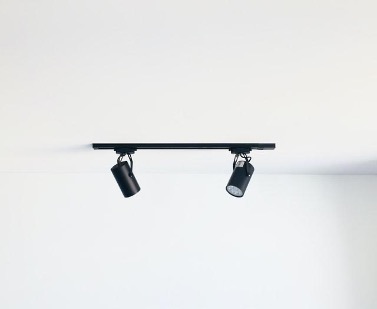
Track lights – these lights have almost the same function as accent lights, but they are not mounted directly onto the ceiling. They are adjustable and fastened to a track bar on the ceiling.

Wall washers – you can install these light fixtures on the walls, ceilings, or floors, and they will help you spread light evenly. Furthermore, they are easy to install and remove, so it will be easy to change their position if you decide to change the layout.

Picture lights – are the best option you can use to light art in your new home. You can mount picture lights right on the frames or use a picture light lamp with a low voltage above an art piece. In the end, you can choose your light fixtures based on the type of artwork you are displaying. For example, a sculpture can be lit from multiple angles, while a photograph needs a specific angle. Before installing the lights, bring in the art pieces and position them. If you are in New York and need a helping hand with moving your artwork, you can hire a local moving company. A local crew can be super helpful when relocating your valuable pieces.

Choosing the right fixtures can add to the charm of the room

Final words

Now that you know how to light art in your new home, you need to insure your art. Art insurance will keep your pieces safe in case of hazards like fires or floods – having your art insured will help you sleep peacefully at night.

The Pros and Cons of Investing in Fine Art

Many investors are broadening their investment schemes by becoming active in various luxury markets in this day and age. Some choose to invest in wine, coins, even cattle. But the art world offers plenty of investment opportunities even for laymen and beginners who want to buy valuable artworks. It is a common misconception that the art market is welcoming only for the affluent. Aside from personal appreciation and admiration fine art provokes in investors, there are many financial and practical benefits and drawbacks to investing in fine art. Here we will dissect what lies in store for you if you decide to become an art collector.

Should I invest in fine art?

Interestingly enough, many myths have put off ‘ordinary people’ from investing in art. The first concern is that you are at risk of becoming a victim of many scams, fakes, and rip-offs that lurk in the fine art market. 

Of course, this is not entirely unfounded. Yet, a crucial source of the rush and excitement of being an art investor lies in doing your research and trading with the right art galleries, brokers, curators, and artists. Furthermore, you can always protect your investment by insuring your fine art collection. 

So, let’s take a look at arguments for and against becoming an art collector in more detail.

Pros of Investing in Fine Art

Blue-chip artworks are rarely subject to inflation

If you have never heard this term, blue-chip art means that the piece is attributed to acclaimed or world-famous artists like El Greco, Picasso, Van Gogh, Modigliani, etc. As mentioned before, you have to do a fair amount of research if you plan to trade in blue-chip artworks. Furthermore, you have to ‘enter’ the fine art world confidently to be successful at it.

A woman sitting in an art gallery looking at paintings
Blue-chip art refers to artworks made by acclaimed artists.

But all the efforts will be more than worth the hassle. Blue-chip artworks are an excellent hedge against inflation. This is one of the primary reasons why trading art is so popular among the wealthy. Think of it this way. Investing in artworks is like investing in real estate. Or in other words, a valuable artwork is a tangible asset that is rarely subject to fluctuations on the stock market. 

Supporting an emerging artist can be a good investment (if done right)

However, you may also support a promising artist and get the same financial reassurance. Just be mindful that the rise in appreciation and value of an art piece authored by an emerging artist may skyrocket for quite a while but also flatten out after some time. Hence, it takes a lot of knowledge, interest, and commitment to distinguish a great artist from an artist of the moment. Also, the value of artworks belonging to different schools or art movements will increase at different rates.

An abstract painting.
Fine art can have value and be beautiful at the same time.

You do not have to be rich to invest in fine art

Another misgiving is that trading art only makes sense if you are extremely rich. Starting from 2011, art investors saw anywhere from 11% to 14% return on investment. Admittedly, such a staggering increase resulted from China’s attempt to purchase back its art heritage from the West. 

Nowadays, the potential return is not as high, but given that investing in fine art outperforms investing in equities, it is far from true that buying art makes sense only if you are wealthy. In fact, the value of fine art is highly stable. Even investing a few thousand dollars into a lesser-known but appreciated artist is highly likely to multiply once the artist attracts the art community’s attention. 

So, you could go rogue and give a chance to a promising artist or some interesting old artifact. Your initial investment of, for example, $2,000 can easily jump to $10,000 if the said artist or cultural artifacts become trendy in the art world. 

Furthermore, moving the artwork from the gallery to your home is not as expensive as it used to be. Note that moving a newly purchased piece of art is best handled by reliable fine art movers. Nowadays, you can work with experienced professionals and avoid losing your investments in case of transportation damages. 

The Cons of Investing in Fine Art

The return is high, but the risk is high as well

So, you can potentially earn a lot of money if you decide to join and trade in the high art society. However, unless you have stumbled upon a rare or blue-chip piece, you can never be too sure your investment will increase in value. 

Sure, it happens that art investors suddenly become millionaires. Unfortunately, ending up with an unsellable artwork is a more realistic outcome. For example, conceptual and pop art are usually flashy and attractive to laymen entering the art market. And yes, these kinds of artworks can accumulate a lot of prestige. But, more often than not, you are just taking a chance with these kinds of pieces. This is particularly true if the artist has not come into the limelight yet.

A painting of a face
Investing in an unacclaimed artist can be a gamble.

When art dealers evaluate art, they do this based on the history of transactions that the given artist has had so far. So, depending on what’s in vogue, the piece’s value could either skyrocket or – not. This basically means that the appreciation for artworks of artists just stepping into the market is arbitrary. 

You cannot sell your artworks whenever you want

One of the biggest disadvantages to developing a fine art collection is that selling it takes time. You cannot sell a painting in a day or two. The entire process can become quite long and require a lot of effort on your or your curator’s part. You have to contact auction houses, pay their commissions, pay additional fees when you sell the artwork, etc.

This means that you cannot just ‘flip’ fine art whenever you feel like it. Also, if you sell too soon, you may even regret being hasty and selling the piece for less money. You may have to be patient and wait for the right moment to do so. However, the problem is that you can never be too sure if the right moment has come. 

Storing fine art can be tricky

One of the major cons of investing in fine art is the lack of storage space or inappropriate storage conditions. If you live in a big city, your apartment can easily become overcrowded rather than embellished, thanks to your art collection. Furthermore, you need to make an effort and protect your art collection by keeping it in a suitable environment. Damp, hot air, or exposure to bright light can easily damage artwork. This means you may have to shell out even more money for your artworks’ proper storage and maintenance.

Protecting Art Nationwide | Art Insurance for Artists, Galleries & Collectors in New York & California